According to the Lang Son Department of Industry and Trade, on February 21-22, 2026, the total number of vehicles transporting import and export goods through border gates in the area reached 715 vehicles, averaging about 357 vehicles per day.
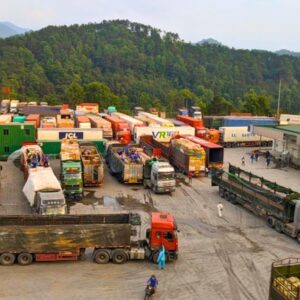
According to the Lang Son Department of Industry and Trade, on February 21-22, 2026, the total number of vehicles transporting import and export goods through border gates in the area reached 715 vehicles, averaging about 357 vehicles per day.
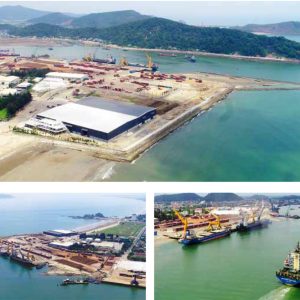
On February 10, 2026, the People's Committee of Nghe An province issued Decision No. 545/QD-UBND on the announcement of the list of administrative procedures that have been amended and supplemented in the field of maritime and inland waterways under the management of the Department of Construction.
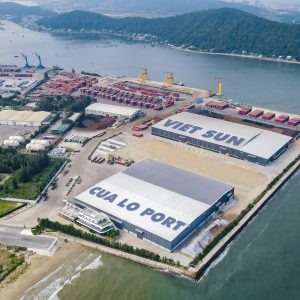
The US imposition of additional import tariffs under Article 10% is driving the shift of supply chains to Vietnam, increasing the demand for domestic container shipping from factories to ports. Vietsun provides safe and on-time container transportation services.
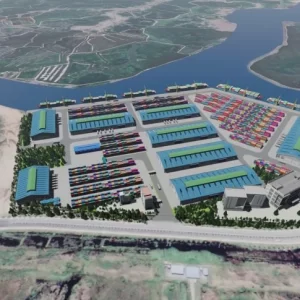
The Minister of Construction has just signed a Decision announcing the opening of the Cai Mep inland port in the Cai Mep Industrial Zone, Phuoc Hoa ward, Phu My town, Ba Ria - Vung Tau province (now Tan Phuoc ward, Ho Chi Minh City), with Cai Mep International Logistics Joint Stock Company as the investor.
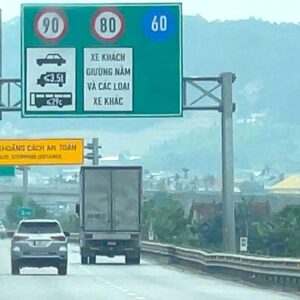
On expressways undergoing phased investment, sleeper buses and trucks over 3.5 tons will only be allowed to travel at a maximum speed of 80 km/h instead of the current 90 km/h.
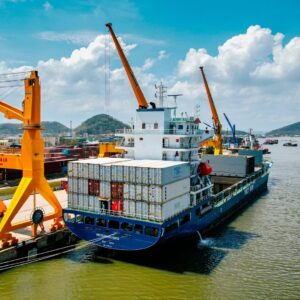
From January 1st, 2026, several new Vietnamese logistics policies will officially come into effect, marking a shift from traditional management to data-driven, standards-based, and transparent management. These changes directly impact transportation, warehousing, customs, and the entire supply chain, forcing logistics and import/export businesses to adjust their operating models to avoid compliance risks, operational disruptions, and loss of competitive advantage.