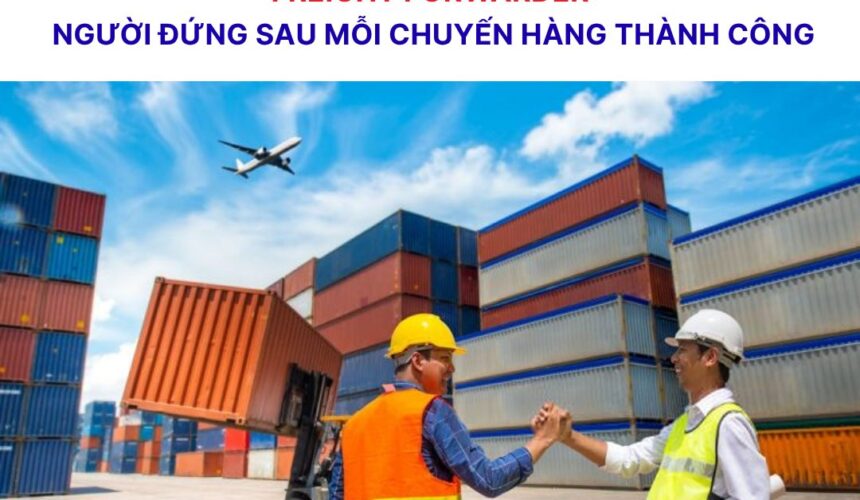
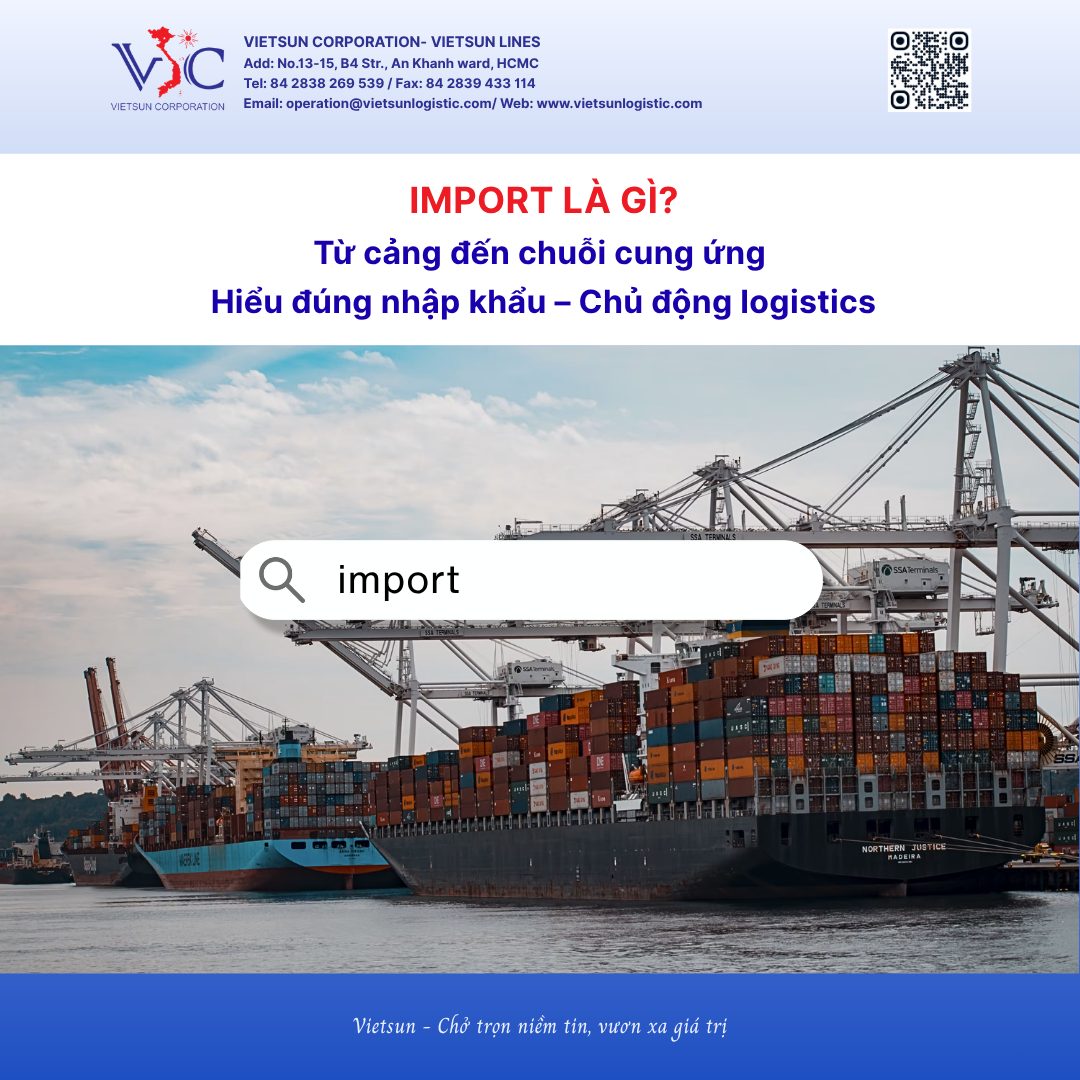
Importing is the activity of bringing goods or services from abroad into a country to meet domestic production, business, and consumption needs. It is a crucial link in international trade and the global supply chain.
What does "import" mean?
In the field of import and export, "import" refers to the activity of purchasing and bringing goods and services from abroad into Vietnam in accordance with current regulations.
Imported goods may include raw materials, machinery, equipment, consumer goods, and many products used in production and business operations.
For businesses, importing not only helps supplement supply but also facilitates access to technology, raw materials, and products from international markets.
Common forms of import
Businesses can import goods through various methods, the most common of which include:
- Direct import: Businesses directly find suppliers, sign contracts, and handle import procedures.
- Import through intermediaries: Goods are imported through an intermediary business or entity as agreed upon by the parties.
The choice of method depends on the type of goods, partners, market, and the business plan of the enterprise.
Basic goods import process
A typical goods import process includes the following main steps:
Find a supplier → Sign a contract → Prepare documents → Customs declaration → Transportation → Customs clearance → Receive goods.
During the process, businesses need to check product policies, HS codes, import duties, specialized licenses, and related documents to minimize additional costs or delays.
Why are imports important?
Imports play a crucial role for both businesses and the economy:
- Replenish the necessary raw materials, machinery, and goods for production.
- Diversify supply sources and products.
- Helping businesses access international technology and products.
- Strengthen connections with global markets and supply chains.
In particular, as international trade continues to grow, transportation, warehousing, customs clearance, and logistics capabilities become crucial factors for businesses to effectively manage their import flows.
Some terms you need to know.
Import: Importing goods or services from abroad.
Export: Exporting goods or services from Vietnam to foreign countries.
HS Code: A code used to classify goods in import and export activities.
C/O: Certificate of Origin, used in cases in accordance with regulations and trade agreements.
How are imports and logistics related?
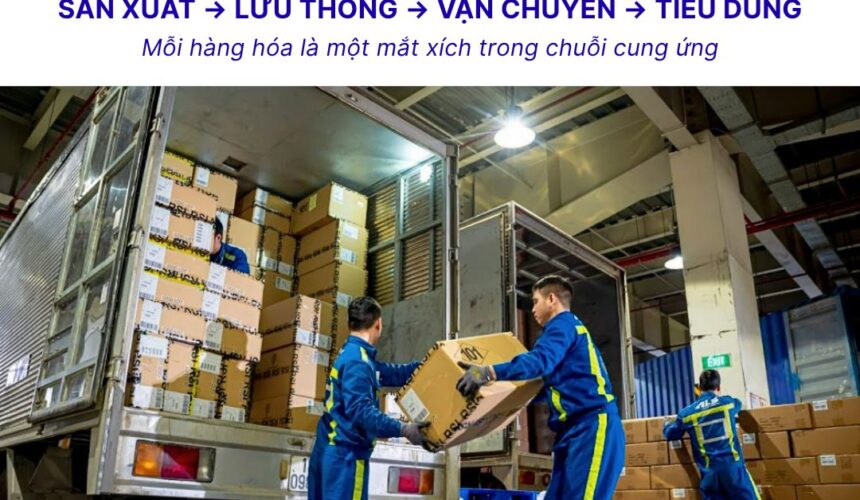
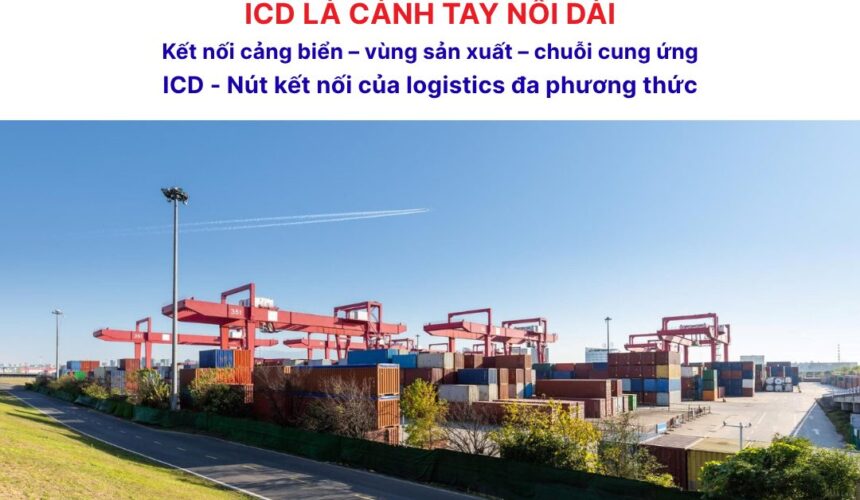
An import shipment doesn't end with the goods arriving at the port. The journey also includes transportation, customs declaration, customs clearance, warehousing, and delivery.
Therefore, coordination among logistics links helps businesses be more proactive in terms of time, costs, and supply planning.
Vietsun – Connecting import flows
With its container shipping capabilities and logistics connectivity, Vietsun aims to support businesses in organizing stable, safe, and efficient cargo journeys, contributing to connecting import activities with domestic supply chains.
📩 Contact Vietsun to build a more sustainable and efficient logistics model.
👉 View services & contact us for consultation at:
🌍 www.vietsunlogistic.com
📞 028 3826 9539 | 📧 admin@vietsunlogistic.com
Vietsun – Carrying your trust, reaching for greater value!