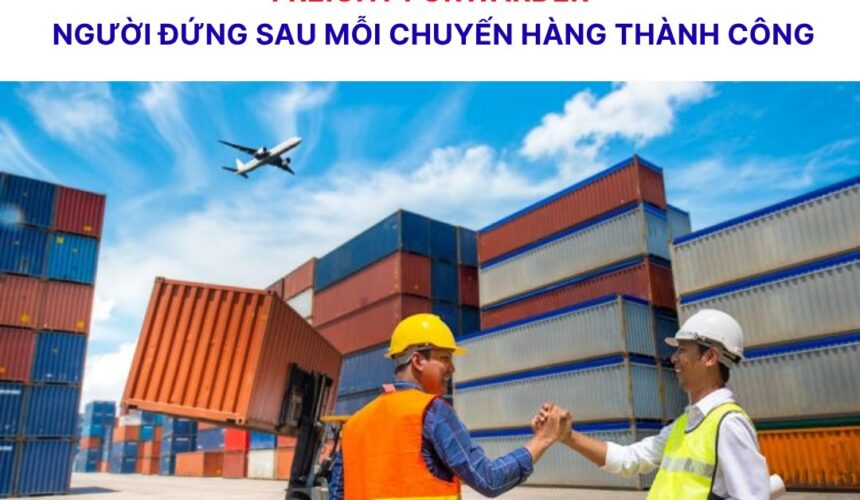
For export processing enterprises (EPEs), customs clearance does not automatically mean the completion of compliance obligations. Risks can arise when customs declarations, accounting records, documents, and related-party transaction records are inconsistent or difficult to explain.
Therefore, tax risk management needs to be proactively implemented from the moment a transaction occurs, rather than only being addressed during post-customs clearance inspections.
What are the unique characteristics of export processing enterprises?
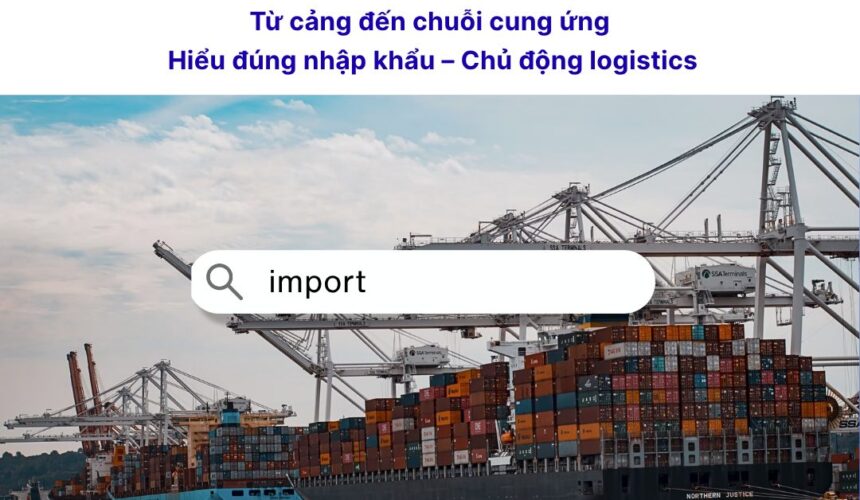
Export processing zones (EPZs) typically have large volumes of imports and exports, with a flow of imported raw materials → production/processing → export of finished products. For multinational corporations, transactions may also occur between related parties.
Therefore, a commodity transaction can simultaneously involve multiple data sets and different management requirements.
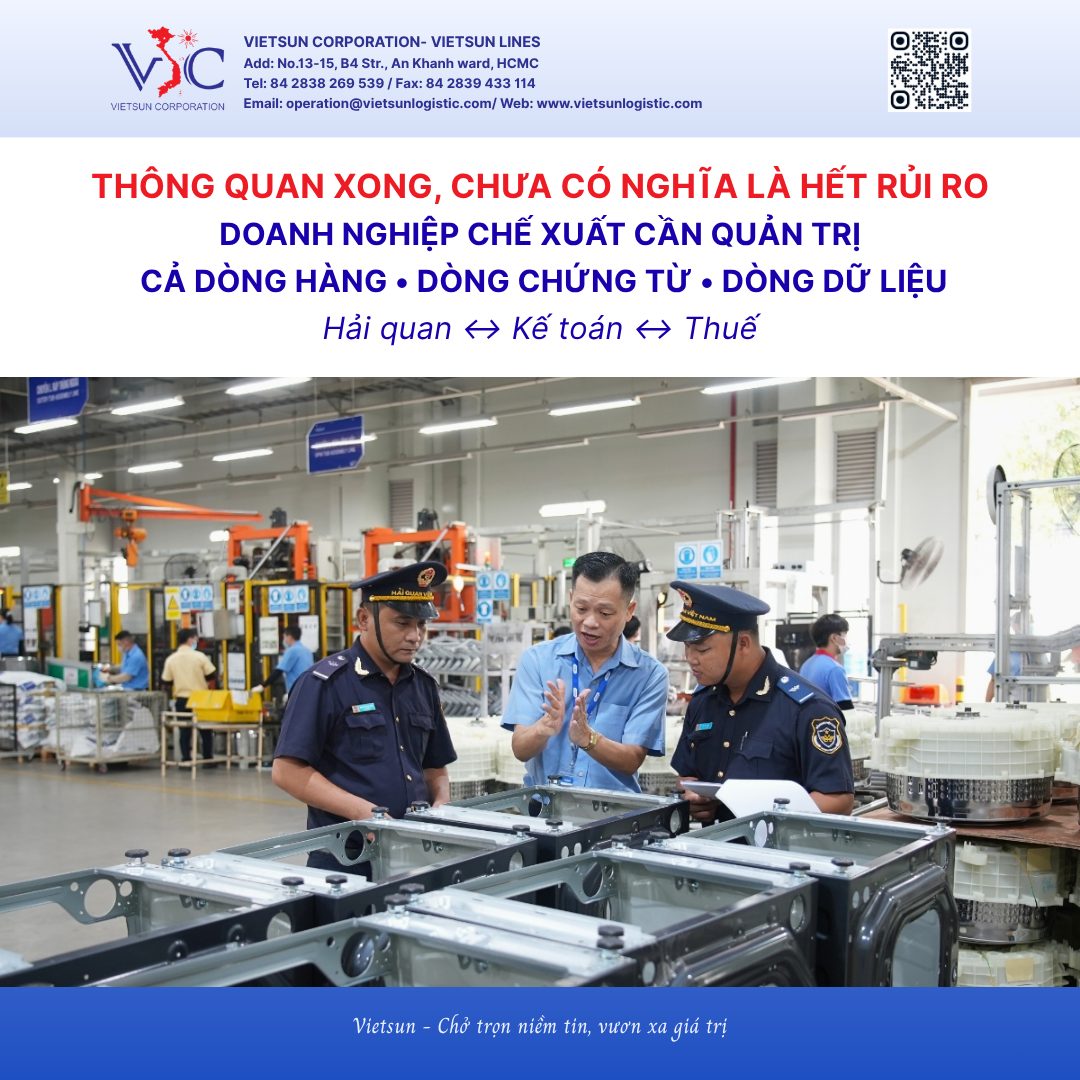
One transaction – multiple perspectives
Three groups of business data require special attention:
- Customs valuation: used for customs management and determining related obligations.
- Transfer pricing: relates to tax obligations and related-party transaction documentation.
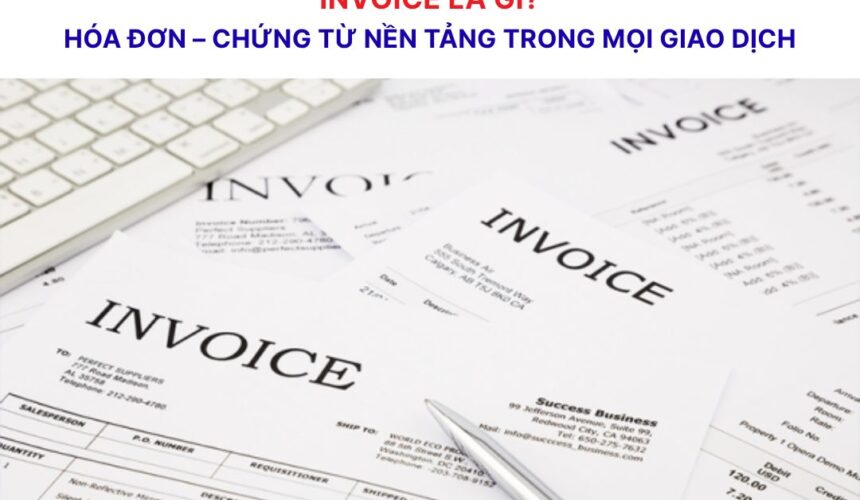
- Accounting records, invoices, and supporting documents: reflect actual transactions and are used for verification and explanation.
The key is that this data needs to be consistent in terms of transaction nature and verifiable.
3 principles of tax risk management
1. Synchronize Customs – Accounting – Tax data
Declarations, financial data, documents, and related records need to be linked and cross-checked to minimize discrepancies.
2. Prepare your documents from the start.
Contracts, documents, product data, and explanatory materials should be organized as soon as a transaction occurs, rather than waiting until an inspection is scheduled for review.
3. Transaction-based governance
For cross-border and related-party transactions, businesses need to ensure that the transaction structure, value, and documentation have an economic basis, a genuine commercial purpose, and are accountable.
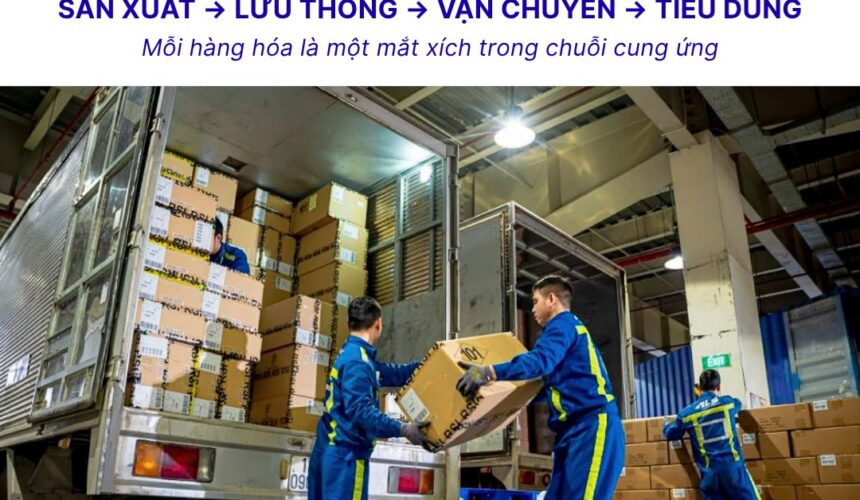
Logistics is more than just transportation and customs clearance.
In the context of export processing zones (EPZs), logistics is increasingly closely linked to the flow of goods, documents, and data.
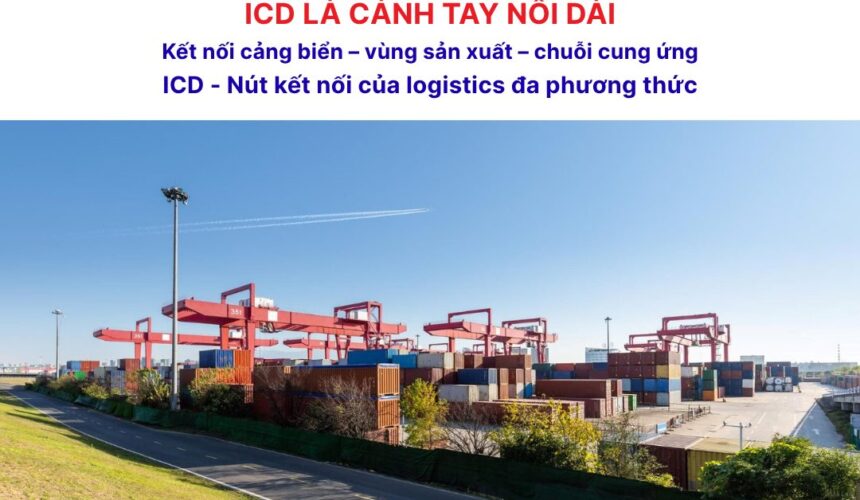
From raw materials, containers, warehouses, customs declarations to finished export products, data needs to be managed in a unified manner to help businesses control operations and be more proactive in meeting compliance requirements.
This is also why vertical logistics is becoming increasingly important: logistics companies not only need to understand transportation but also need to grasp the specific characteristics of goods, processes, and requirements of each industry.
Risk management needs to begin before the risk occurs.
Export processing enterprises should regularly review:
Can customs and accounting data be reconciled?
Do the transaction records accurately reflect the economic nature of the transaction?
Can businesses provide explanations quickly when requested?
Proactive management from the outset will help businesses mitigate risks, reduce the burden of processing paperwork, and build a more transparent operating system.
Vietsun – Connecting product flows, partnering with the supply chain.
With its container shipping capabilities and logistics connectivity, Vietsun aims to organize stable, transparent, and efficient cargo journeys, helping businesses better control the flow of goods and documents in the supply chain.
📩 Contact Vietsun to build a more sustainable and efficient logistics model.
👉 View services & contact us for consultation at:
🌍 www.vietsunlogistic.com
📞 028 3826 9539 | 📧 admin@vietsunlogistic.com
Vietsun – Carrying full faith, reaching far with value