Goods are a fundamental concept in economics, trade, and logistics. From raw materials and machinery to food, clothing, and consumer products, goods are involved in the processes of production, circulation, exchange, and consumption.
Understanding what goods are, their characteristics, classification, and roles helps businesses choose more appropriate production, storage, and transportation methods.
What are goods?
In economics, a commodity is a product of labor, possessing both use value and exchange value, created to meet human needs, and capable of participating in buying and selling transactions in the market.
Goods can exist in many different forms, from tangible products such as phones, cars, and food to intangible products such as copyrights or intellectual property.
The constituent elements of a commodity
A product is typically evaluated based on three main factors:
Use value: This refers to the ability of a commodity to satisfy a specific human need. For example, food satisfies nutritional needs, while clothing satisfies the need for clothing and body protection.
Exchange value: This refers to the ability of a commodity to be exchanged for other commodities or bought and sold in the market, and is expressed through price.
Labor: Goods are the result of the labor process, which may include direct labor in creating the product or activities related to the production process.
Goods classification
Goods can be classified according to many different criteria.
According to intended use
Consumer goods: These are goods that directly serve the needs of consumers, such as food, clothing, household goods, electronic devices, etc.
Manufactured goods: These are goods used to create other products or provide other services, such as machinery, equipment, and raw materials.
According to physical properties
Tangible goods: These have a specific physical form, are visible, tangible, storable, and transportable, such as books, telephones, machinery, or consumer goods.
Intangible goods: These do not exist in a tangible physical form but still have value and can be exchanged, such as copyrights or certain types of intellectual property.
Over time
Durable goods: Items that can be used repeatedly over a long period of time, such as cars, computers, refrigerators, and machinery.
Non-durable goods: These have a short shelf life or are used only once, such as food, beverages, and some consumer products.
Based on availability
Available goods: Goods that are manufactured and readily available on the market for sale or distribution.
Goods not in stock: Must be pre-ordered or manufactured to customer specifications.

The role of goods in the economy
Goods play a crucial role in production and trade.
As a result of production and consumption.
Goods are created through production activities and used to meet the needs of individuals, businesses, and society. The processes of production and consumption create a continuous flow within the economy.
As the subject of exchange activities
Goods are the foundation of buying and selling and trade. The exchange of goods connects producers with consumers and expands markets.
Contributing to the formation of value and price.
Price is one of the factors reflecting the value of goods in the market. The price of goods is influenced by many factors such as supply and demand, quality, brand, source of supply, and consumer demand.
Promoting economic growth
The production, distribution, and consumption of goods create jobs, income, and commercial activities, thereby contributing to economic growth.
How are goods and logistics related?
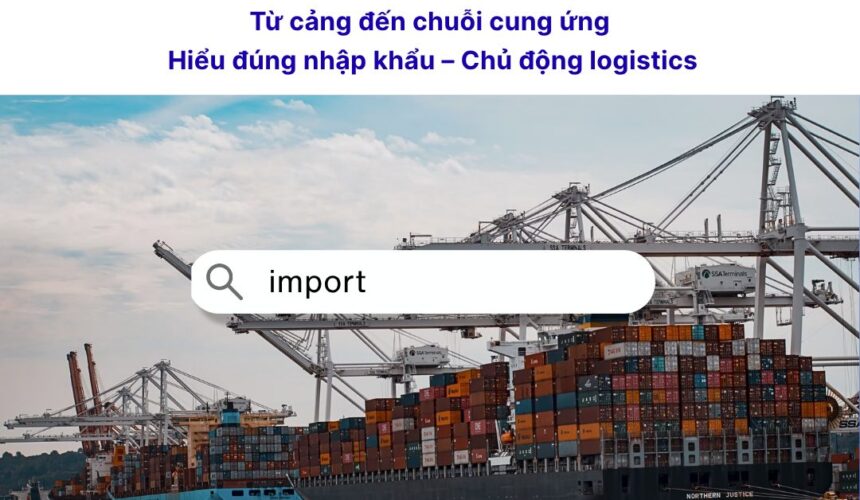
In a supply chain, goods are the objects that are stored, packaged, transported, and distributed between multiple locations.
However, not all types of goods have the same logistics requirements.
For example:
- Fragile goods require appropriate packaging and handling methods.
- Food products may require strict storage conditions.
- Goods that are large or heavy require specialized transport.
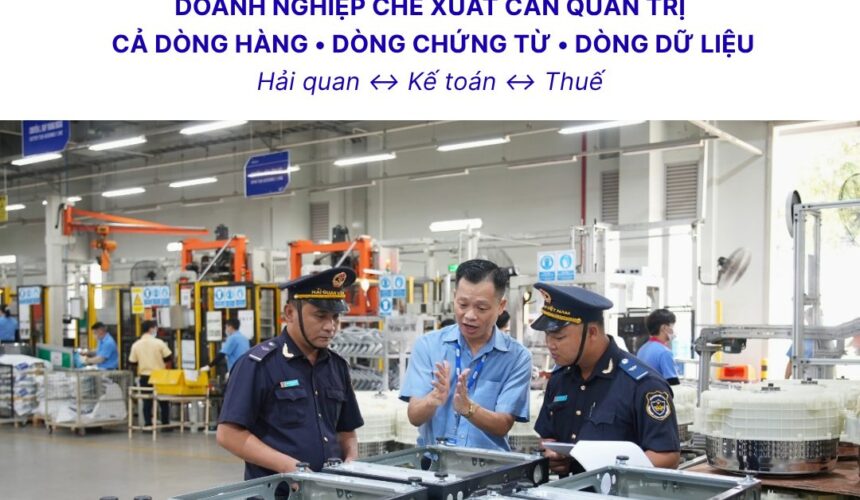
- Imported and exported goods must comply with regulations related to procedures and transportation.
- High-value goods require strict control during warehousing and delivery.
Therefore, the characteristics of the goods are one of the important factors when developing logistics and transportation plans.
Some regulations related to goods.
Production, business, distribution, and transportation of goods must comply with current legal regulations.
Depending on the specific type of goods and services, businesses may need to be aware of regulations related to:
- Buying, selling, and trading goods.
- Import and export.
- Product quality.
- Product labeling.
- Food safety.
- Protecting consumer rights.
- Intellectual property.
- Storage and transportation of goods.
For import and export goods, understanding the documentation requirements, procedures, and shipping conditions is crucial in minimizing costs and delays.
Goods – the starting point of a logistics journey.
From the moment a product is created in the factory until it reaches the consumer, goods must pass through many links in the supply chain: production → warehousing → transportation → distribution → consumption.
Therefore, a proper understanding of goods not only helps businesses manage their commercial operations more effectively but also forms the basis for selecting appropriate transportation methods, vehicles, routes, and logistics solutions.
Vietsun – Connecting the cargo journey
In a supply chain, each container carries a stream of goods that need to be transported according to plan and safely.
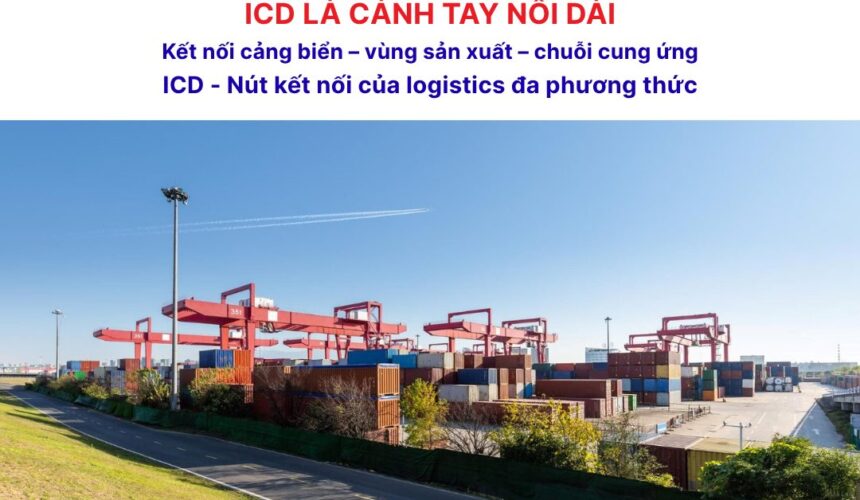
With its container shipping capabilities, Vietsun aims to connect production areas, seaports, and markets, contributing to more efficient goods flow within the supply chain.
📩 Contact Vietsun to build a more sustainable and efficient logistics model.
👉 View services & contact us for consultation at:
🌍 www.vietsunlogistic.com
📞 028 3826 9539 | 📧 admin@vietsunlogistic.com
Vietsun – Carrying full faith, reaching far with value