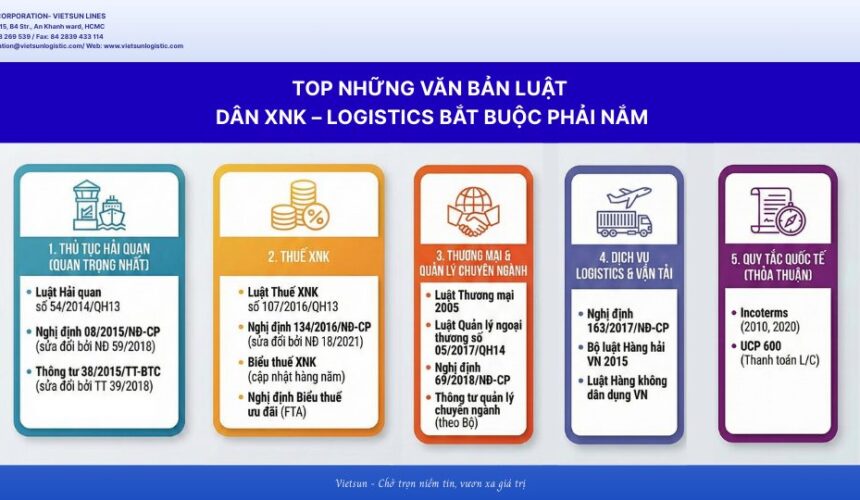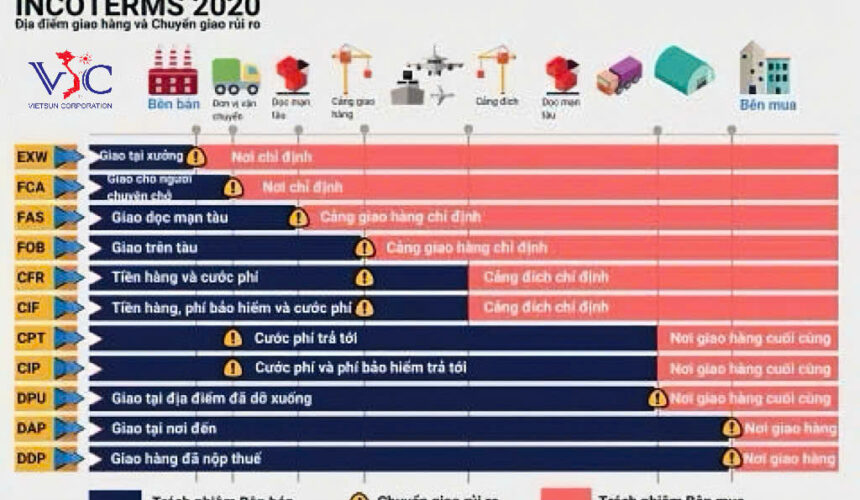
Many businesses are still making serious mistakes when using CIF and CIP, leading to unnecessary losses. Below are three of the most common misunderstandings about Incoterms that customers using transportation services often encounter.
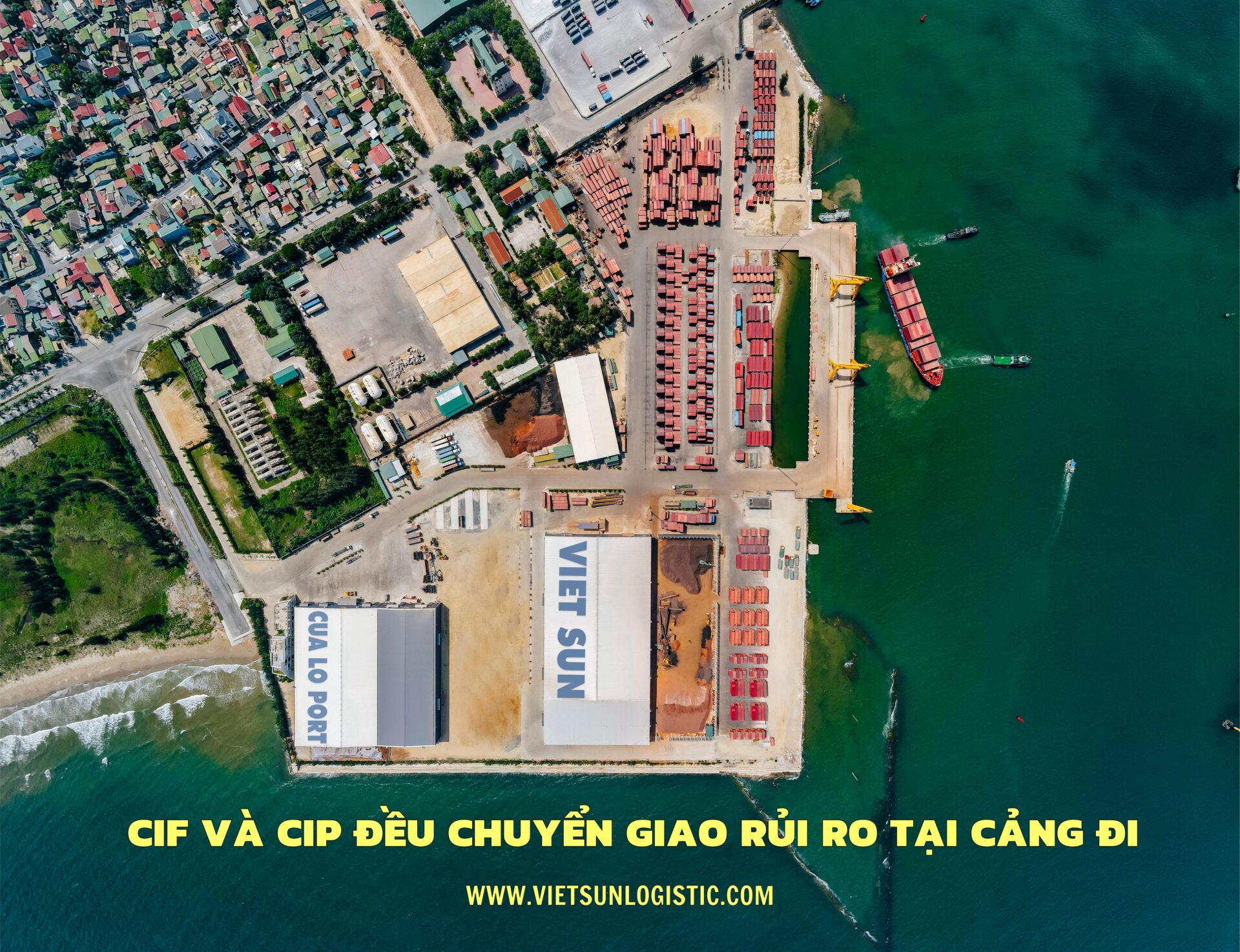
Misconception 1: CIF/CIP transfers risk at the port of destination.
This is the most "deadly" misconception. Because the seller pays the freight to the destination port, many buyers assume that the risk also transfers there. In reality: Both parties transfer risk at the point of departure. CIF transfers risk when the goods are "on board" the ship at the loading port.
CIP transfers risk immediately upon delivery to the first carrier (at the warehouse). Without understanding the difference between CIF and CIP in terms of risk, buyers may carelessly choose not to purchase insurance for the main leg of the journey, even though the risk has already been transferred to them.
Misconception 2: CIF and CIP insurance are the same.
This misconception stems from the old Incoterms. With Incoterms 2020, this is the key difference between CIF and CIP. CIF only requires the seller to purchase minimum insurance (Condition C – Clause C), with a very narrow scope of compensation, placing the risk on the buyer.
Conversely, CIP has been upgraded to maximum coverage (Condition A – Clause A, “all risks”). When considering whether to use CIF or CIP, buyers must understand that Clause A of CIP protects their interests much better.
Misconception 3: Using CIF for containerized cargo (FCL/LCL)
This is the most disastrous mistake when using CIF. Containerized cargo (FCL/LCL) is actually delivered to the shipping company at the container yard (CY) before being "on board". However, CIF stipulates that the risk only transfers when the goods are "on board".
This creates a dangerous risk "gap" at the CY (Container Yard). If the container is damaged at the yard, disputes will arise. This is why CIF and CIP differ in nature. The International Chamber of Commerce (ICC) recommends using CIP, as the risk is transferred directly at the CY, accurately reflecting reality.
Understanding the differences between CIF and CIP will help you avoid financial risks. If you're still unsure which terms to choose for your upcoming shipment, let the experts at Vietsun Logistics assist you. Request a shipping quote and receive free Incoterms consultation today to optimize your costs!