In the context of climate change, rising energy costs, and increasingly stringent environmental regulations, green logistics is no longer just a symbolic choice but has become an inevitable trend in modern supply chains. With a focus on sustainable development, Vietsun is gradually integrating green logistics into its modern supply chain model, concentrating on tangible benefits for its customers.
What is green logistics?
Green logistics is a model for organizing transportation, warehousing, and distribution aimed at reducing carbon emissions, optimizing energy use, and improving supply chain efficiency. It is a crucial foundation for sustainable supply chains, especially in the context of the increasing adoption of ESG and Net Zero standards. Green logistics involves organizing transportation, warehousing, distribution, and supply chain management activities in a way that reduces carbon emissions, saves energy, and efficiently utilizes resources throughout the entire product lifecycle.
Green logistics goes beyond simply "reducing pollution"; it also aims to optimize operating costs, improve efficiency, and meet ESG, Net Zero, and Scope 3 standards required by international markets.
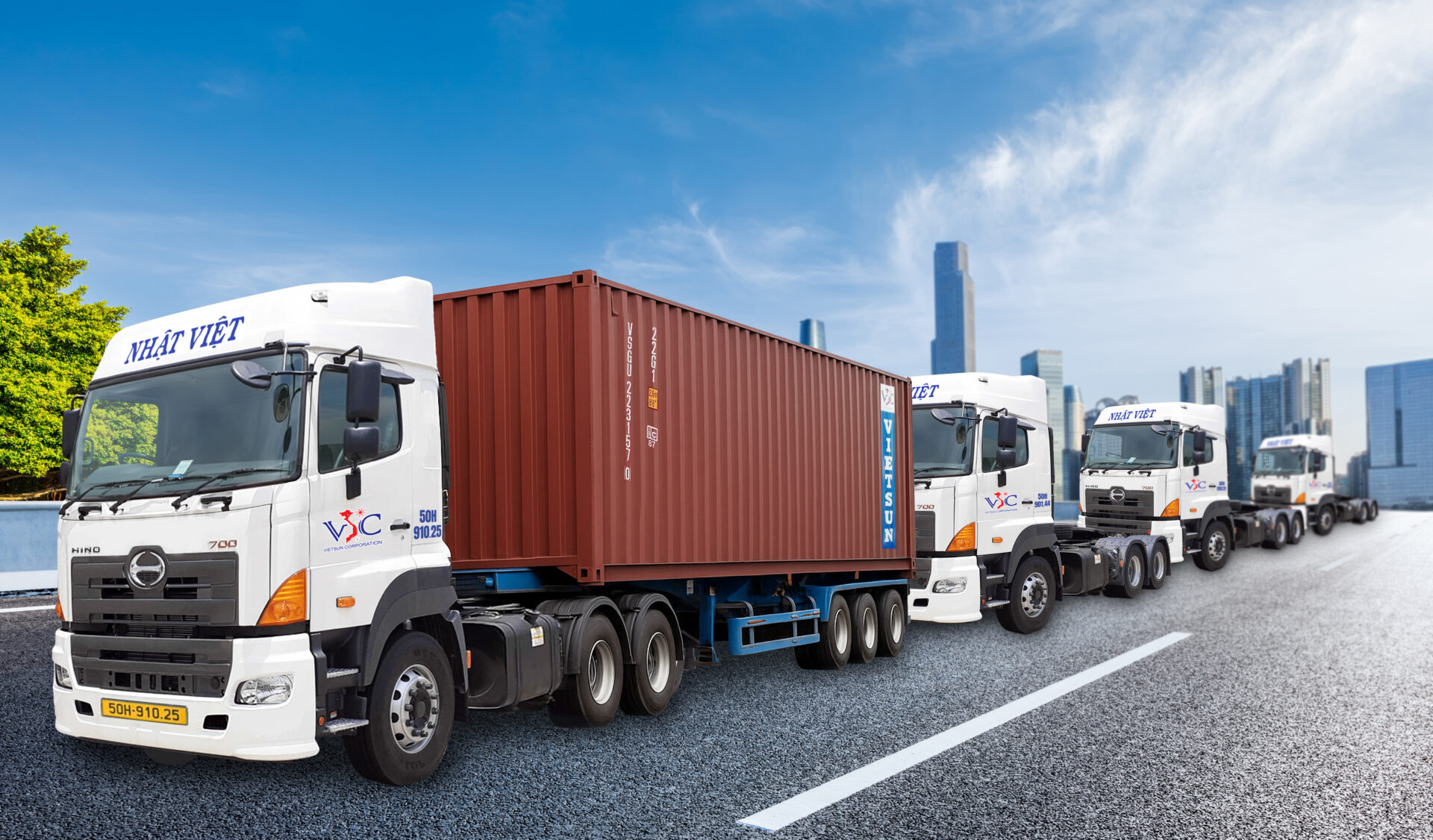
Why is green logistics becoming an inevitable trend for domestic B2B businesses?
1. Pressure from international markets and policies
Mechanisms such as CBAM (EU carbon tax), which requires Scope 3 emissions reporting from multinational corporations, are directly impacting the logistics chain. Import and export businesses are forced to demonstrate their emission levels during transportation.
2. The long-term cost problem
Volatility in fuel prices exposes traditional logistics models to significant risks. Green logistics, focusing on route optimization, consolidation, and energy management, helps businesses reduce costs sustainably, not just in the short term.
3. Competitive advantage and brand
International partners are increasingly prioritizing logistics providers with a sustainable approach. Green logistics is becoming a crucial part of enhancing corporate image and bid success.
Green logistics in the modern supply chain: From green transportation to carbon reporting.
An effective green logistics model typically includes:
- Green transportation: Optimizing routes, reducing empty trips, using fuel-efficient vehicles.
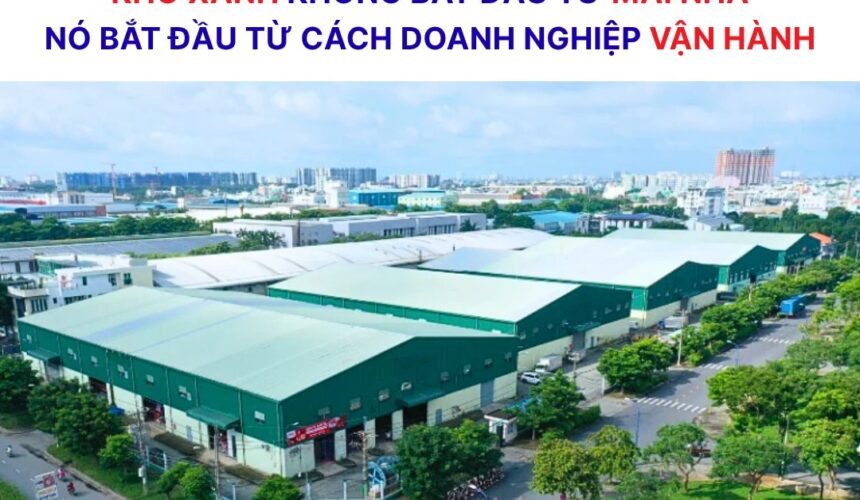
- Green warehousing: Energy-efficient warehouses, smart inventory management.
- Sustainable packaging: Reduce plastic, reuse, optimize packaging size.
- Carbon measurement and reporting: Transparent emissions tracking for each shipment.
Green logistics does not increase costs if implemented correctly; on the contrary, it helps the supply chain operate more flexibly and efficiently.
Vietsun's green logistics model – A sustainable logistics solution for domestic B2B businesses.
- With a focus on sustainable development, Vietsun is gradually integrating green logistics into its modern supply chain model, concentrating on tangible results for customers.
- Optimize transportation: Design efficient routes, consolidate shipments, reduce waiting times and empty trips.
- Warehouse & Distribution Management: Applying management solutions to save energy and optimize storage space.
- Partnering with clients: Supporting businesses in assessing the impact of logistics on costs.
What benefits do businesses gain from switching to green logistics?
- Reduce fuel and long-term operating costs.
- Enhance the ability to meet the requirements of international customers.
- Be proactive in anticipating future environmental regulations.
- Enhancing brand value and supply chain reputation.
Green logistics is not an additional cost, but a strategic investment for long-term development.
Vietsun – Green logistics solutions for domestic B2B businesses, optimizing costs and ensuring sustainable operations.