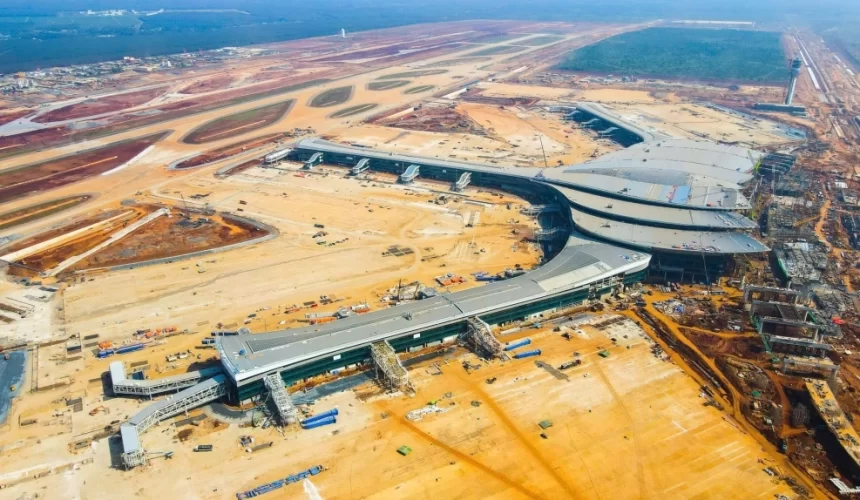
The formation of Long Thanh International Airport is opening a new phase of development for Dong Nai province, both in the aviation sector and in the organization of economic, urban, and logistics spaces. Dong Nai province has also identified the airport city model as a strategic direction, in which the multimodal logistics zone plays a key role, connecting the airport with the transportation network and the production and service chain of the entire Southeast region…
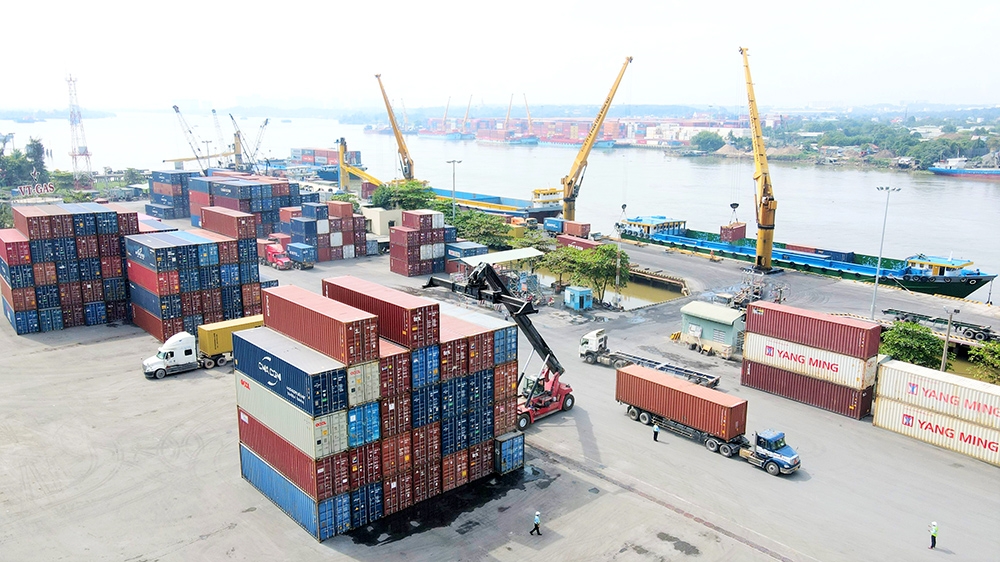
The logistics space associated with the Long Thanh airport city is being shaped as a new transit and distribution center for goods; it also serves as a foundation for Dong Nai to restructure its growth model, shifting from purely industrial development to a service, logistics, and high value-added industry economy.
Multimodal logistics in airport urban planning structure
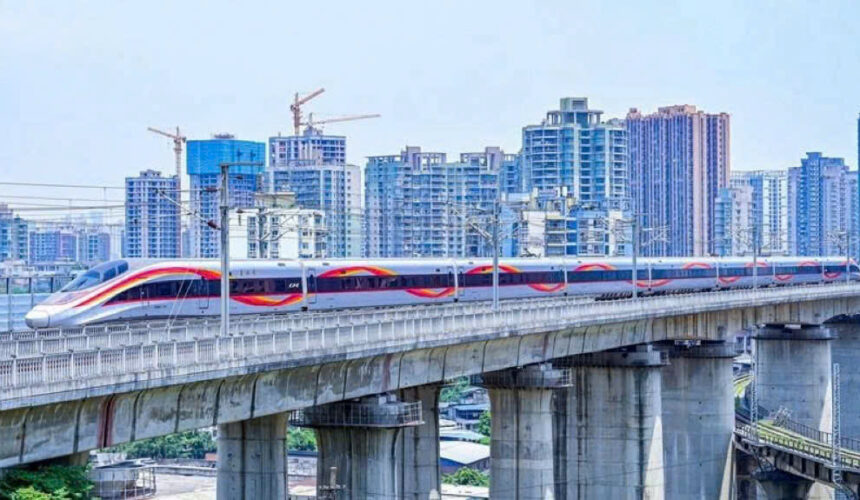
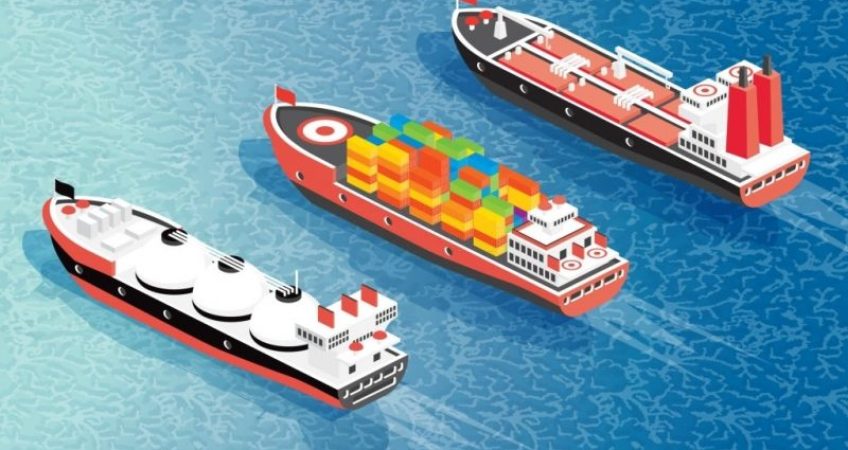
According to the planning orientation announced by Dong Nai province (Long Thanh Urban Master Plan until 2045), Long Thanh urban area covers more than 43,000 hectares and is organized into 5 functional zones. Within this structure, the multimodal logistics zone does not stand independently but is closely linked to the airport area and key external transportation routes, forming a network of interconnected "air - road - rail - sea transport".
These five functional zones include: the airport center, the "heart" of the entire city, where massive flows of goods and passengers operate; the core urban area with financial high-rises, banks, and 5-star hotels serving global professionals; the high-tech industrial belt, attracting investment in emerging economic sectors such as semiconductors, pharmaceuticals, and green technology; the multimodal logistics zone; and the eco-tourism and resort zone, exploiting the beauty of the Dong Nai River and the Cau Moi and Da Vang lakes.
This approach clearly reflects the local perspective of viewing logistics as a central component of the airport city, rather than merely supporting infrastructure for air transport operations. Organizing the logistics space in an integrated manner allows for the simultaneous exploitation of the advantages of Long Thanh Airport, the inter-regional expressway system, ring roads, and future railway connections.
According to analyses from specialized agencies in Dong Nai, the multimodal logistics zone connected to the airport will play a coordinating role in the flow of goods, reducing pressure on traditional logistics centers and facilitating the formation of high-value logistics services such as air cargo warehousing, regional distribution centers, cold chain logistics, and e-commerce logistics. These are areas where Dong Nai has a strong need for development in the context of deep integration into the global supply chain.
The plan also shows the connection between logistics and other functional zones, especially the high-tech industrial belt and the service urban area. This connection aims to create a closed value chain, in which logistics not only performs transportation tasks but also directly participates in the process of adding value to goods, from production and warehousing to distribution.
New drivers of development from a local perspective.
From Dong Nai's perspective, the Long Thanh airport city is not just a spatial planning project, but also a new driving force for development in the next decade.
According to the Dong Nai Department of Construction, Long Thanh Airport is identified as the nucleus for restructuring the local economic space, creating a new growth pole alongside traditional industrial zones.
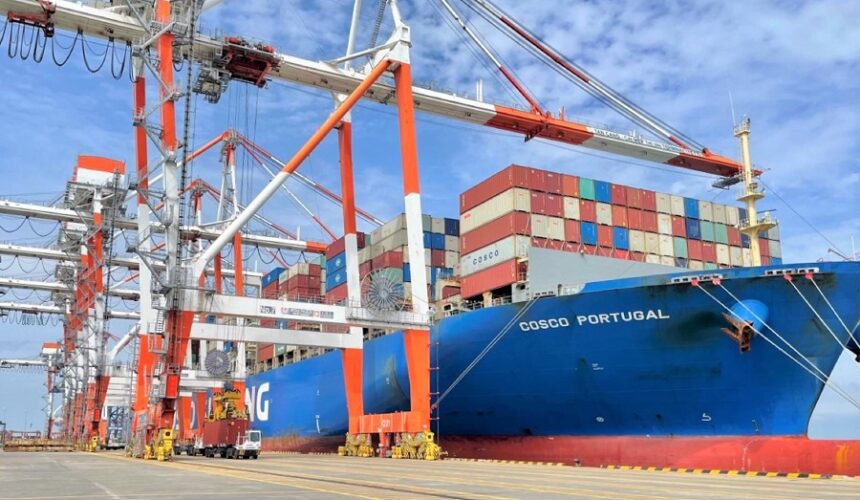
In this orientation, multimodal logistics plays a bridging role between airports and the regional seaport system, especially deep-water ports in the Southeast region. Effective connectivity between air and sea transport is expected to enhance Dong Nai's logistics competitiveness and reduce transportation costs for import and export businesses.
Besides infrastructure, Dong Nai also aims to develop a logistics zone associated with the airport city in a modern, green, and smart direction. This is reflected in the requirement to synchronize transportation planning, land use, and technical infrastructure, limit fragmented development, and avoid repeating the dispersed logistics model that has existed for a long time.
According to planning guidelines, the Long Thanh airport city aims to meet the criteria of a type II urban area after 2030, with a population potentially exceeding 1.5 million by 2045. In this context, logistics not only serves production and trade, but is also linked to urban consumption needs, tourism, services, and international trade. The simultaneous development of logistics and urban areas is considered a decisive factor in ensuring the sustainability of the airport city model.
From practical experience, Dong Nai has also clearly identified the challenges in developing multimodal logistics, including pressure on connecting infrastructure, the need for large capital investment, and the capacity for integrated urban and logistics management. However, proactively placing logistics at the center of airport urban planning shows a shift in development thinking, moving from "following infrastructure" to "developing based on spatial structure and value chains."
With this approach, the multimodal logistics zone associated with the Long Thanh airport city is not just an item in the planning, but is expected to become the foundation for Dong Nai to upgrade its position in the national logistics network, while creating new growth momentum for the entire Southeast region in the coming period.
(Source: According to VnEconomy)
Follow Vietsun to stay updated with lots of useful information about the logistics market.
🌍 www.vietsunlogistic.com