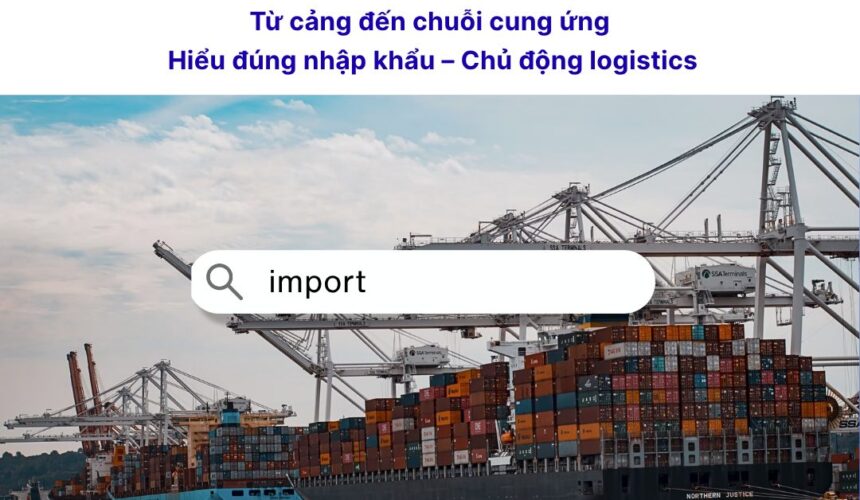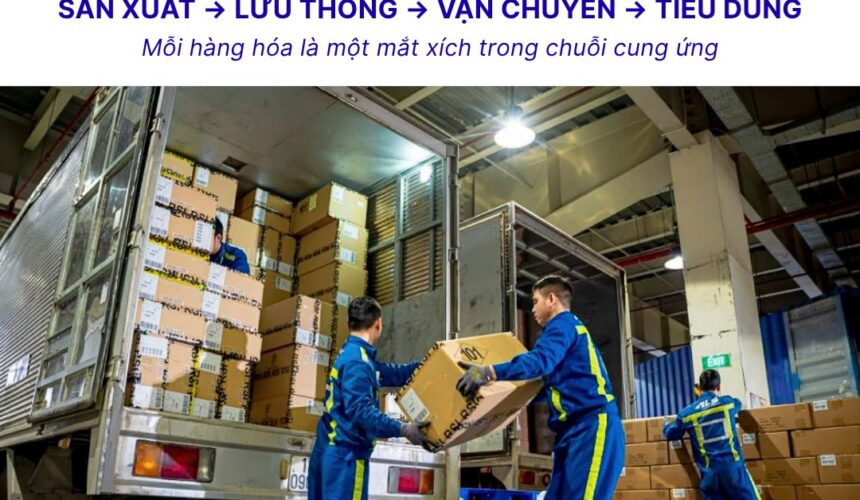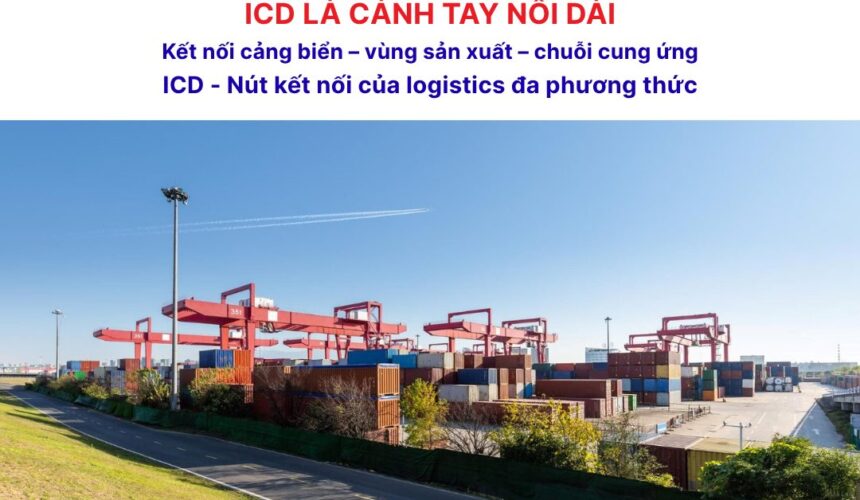
In the 1950s, the freight industry faced many difficulties due to the time-consuming and costly use of sacks and wooden crates for loading and unloading. Malcolm McLean, a businessman in the road transport industry, came up with a revolutionary idea: using large, standardized containers – later known as shipping containers – to hold goods. This allowed goods to be transferred from trucks to ships and vice versa without the need to unload each individual item.
Initially, McLean designed a 35-foot container. However, competitors developed 24-foot containers, causing difficulties for the US government in terms of regulation and standardization. By 1986, the International Organization for Standardization (ISO) had agreed to use 20-foot and 40-foot containers as standard sizes. From then on, the 20-foot container was chosen as the international standard unit, known as TEU – Twenty-foot Equivalent Unit.
So what exactly are TEU, FEU, and DWT, and what are the differences between them? Let's explore and differentiate these concepts with Vietsun Logistics in the article below.
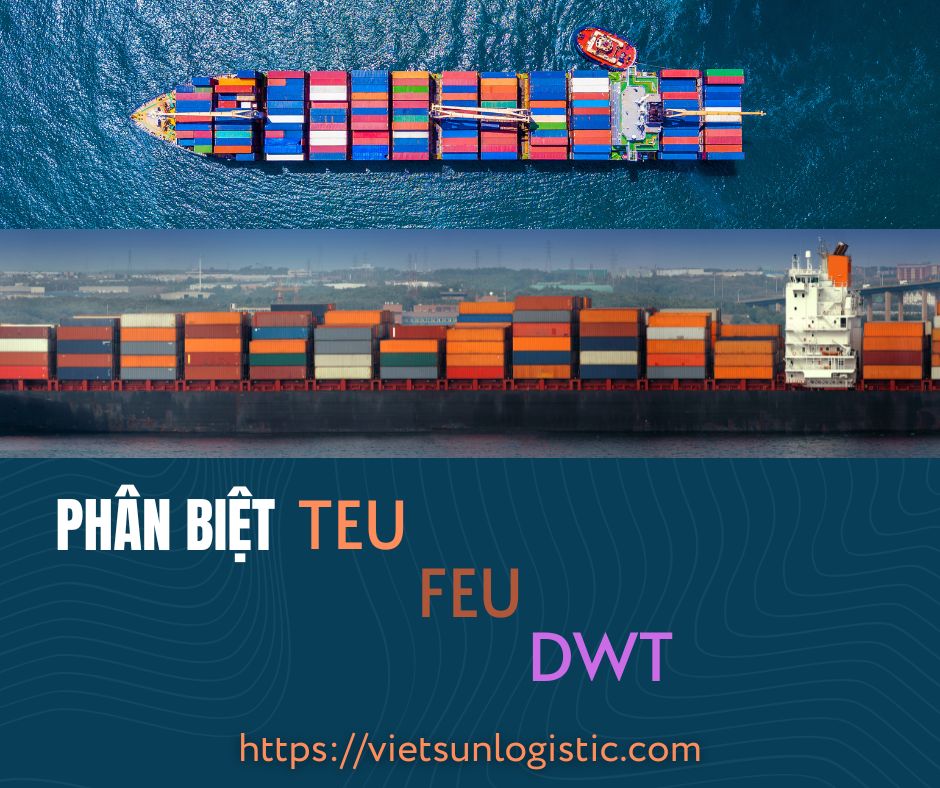
TEU – The standard unit for a 20-foot container.
TEU, short for Twenty-foot Equivalent Unit, is an international standard unit of measurement equivalent to a 20-foot container. It's a fundamental metric widely used in the shipping industry to calculate the capacity of ships, warehouses, handling equipment, and even the volume of goods passing through ports. A standard 20-foot container measures 20 feet long, 8 feet wide, and 8 feet high, with a maximum load capacity of approximately 24 tons. Adding the weight of the empty container (approximately 2.28 tons), the total volume represented by one TEU is approximately 26.28 tons.
Beyond simply measuring cargo volume on ships, TEU is also an effective statistical tool. Thanks to this, major seaports like Shanghai and Shenzhen (China) or Long Beach and Los Angeles (USA) can manage and report annual handling volumes reaching tens of millions of TEU, instead of calculating in tons as before – which did not accurately reflect the actual number of containers.
FEU – The standard unit for a 40-foot container.
Besides TEU, the FEU (Forty-foot Equivalent Unit) is also used to denote a 40-foot container. By convention, 1 FEU = 2 TEU, because a 40-foot container is twice the length of a 20-foot container but has the same standard width and height. FEUs are commonly used by shipping lines and logistics companies for shipping planning, freight pricing, and classification of handling equipment.
Using FEU units simplifies calculations for large shipments, primarily those using 40-foot containers – a more common container type in the international market due to its ability to hold more goods at a more cost-effective price compared to TEU units.
DWT – Total deadweight of the ship
Unlike TEU or FEU – units of measurement based on the number of containers – DWT (Deadweight Tonnage) is a unit of measurement for the total tonnage of a ship, that is, the total weight of cargo, fuel, fresh water, food, crew, and passengers that the ship can safely carry. DWT is calculated in tons, where each ton of DWT is approximately 16 kg heavier than a standard ton.
DWT is primarily used to classify the size and load capacity of ships, especially bulk carriers or oil tankers. However, with container ships, both TEU and DWT are often used in conjunction to assess the overall capacity of the ship in terms of both quantity and weight.
TEU and DWT – Differences and Relationships in Practice
Combining TEU and DWT in container ship operations is essential. In practice, when loading cargo, the limit reached beforehand (in terms of the number of containers or cargo weight) will determine the stopping point. If the ship is carrying light cargo such as clothing or shoes, it may be possible to load enough containers according to the TEU limit without reaching the DWT limit. Conversely, with heavy cargo such as machinery and equipment, the cargo weight will quickly reach the permissible DWT limit even if the TEU is not yet full.
For example, the Icelandic ship Eimskip has a capacity of 1,118 TEU or 13,719 DWT. If carrying light cargo, the ship can carry the entire 1,118 TEU without reaching its load limit. However, if carrying heavy cargo, only about 650 TEU is needed to reach the 13,719 DWT limit, and loading must be stopped to ensure safe operation.
By understanding measurement units such as TEU, FEU, and DWT, customers can optimize shipping planning, save costs, and improve supply chain efficiency. This also forms the basis for selecting the right logistics partner, especially in the context of increasing import and export demands and the competitiveness of the global market.
Vietsun Logistics – A leading provider of containerized sea freight services in Vietnam.
Contact Vietsun Logistics today for a free consultation on containerized sea freight services:
📞 Hotline: 028 3826 9539 or contact Vietsun customer care staff
📧 Email: admin@vietsunlogistic.com
🌍 Website: www.vietsunlogistic.com
Vietsun – Carrying full faith, reaching far values!