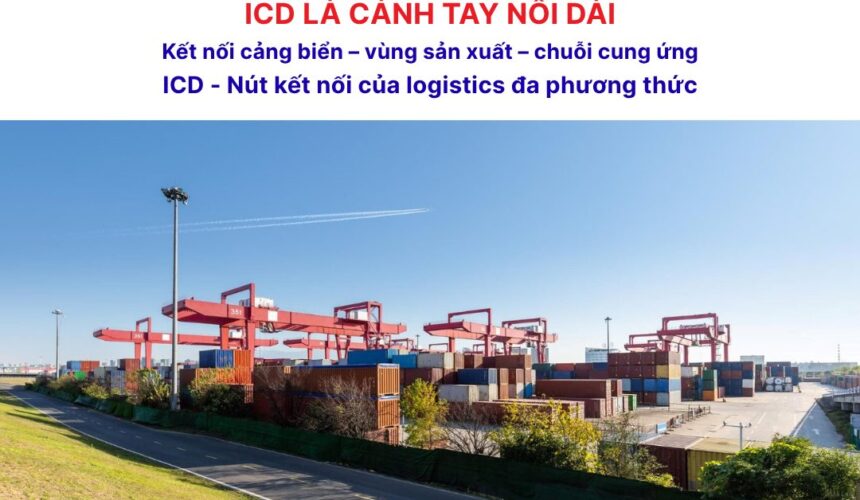
Logistics may sound like a technical field, but in reality it is closely linked to everyday life. Every time you order something online, receive a package from abroad, or send a package to the province, logistics is involved somewhere in the process chain. However, to understand how logistics works, we first need to know some basic terms. Below are important keywords that anyone interested in this field should know.
Transportation
Transportation is the process of moving goods from the starting point to the destination by various means:
Road: trucks, containers, motorbikes…
Railway: freight train.
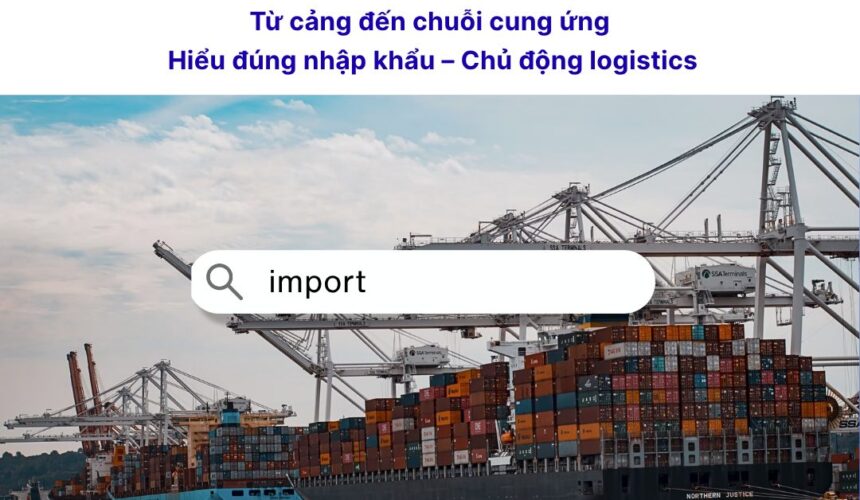
Sea route: container ship, bulk carrier. Air route: cargo plane.
For example: When you buy goods from Ho Chi Minh City to Hanoi, the shipping company will use a truck or ship to transport the goods.
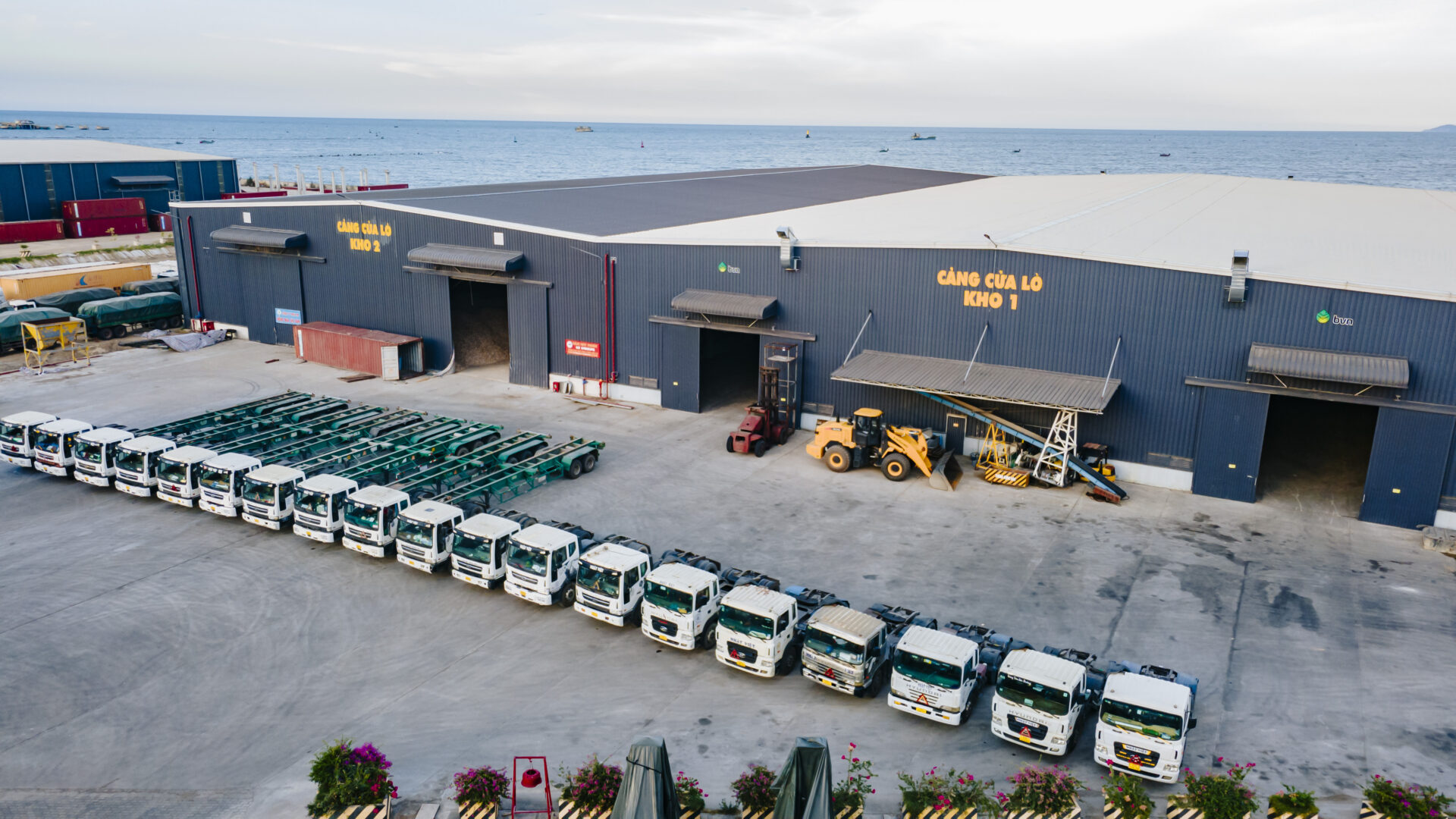
Warehousing
A warehouse is a place where goods are stored while awaiting transportation or distribution. There are several types of warehouses:
Regular warehouse: stores dry goods and common goods.
Cold storage: storing perishable goods, fresh food.
Bonded warehouse: storing goods that have not gone through customs procedures.
For example, before delivering to supermarkets, the distributor will store the goods in a central warehouse for sorting and packaging.
Freight Forwarding
Freight forwarding is a service that organizes the transportation of goods from the sender to the recipient, which can include many steps: booking transportation, packaging, customs clearance, tracking goods, etc.
For example, an international freight forwarder will pick up goods from a factory in Vietnam, do export clearance, book space on a vessel, and deliver the goods to a port in the US.
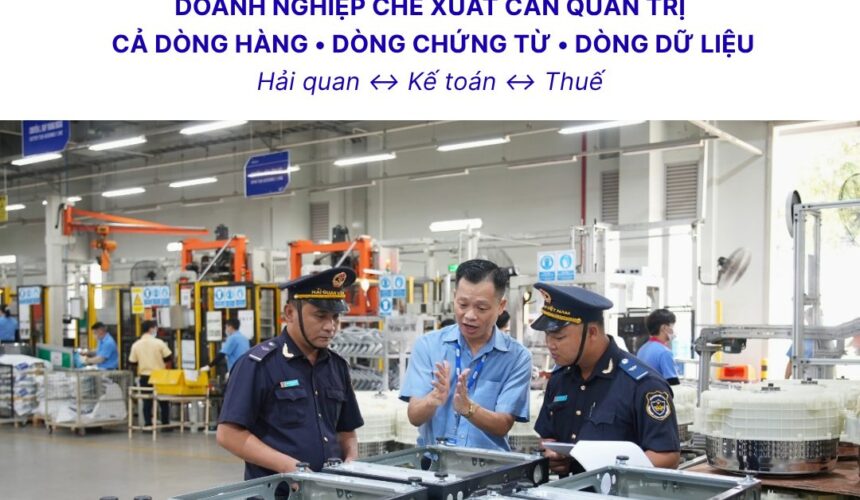
Customs Clearance
Customs clearance is the process of declaring to customs authorities when exporting or importing goods. The steps usually include:
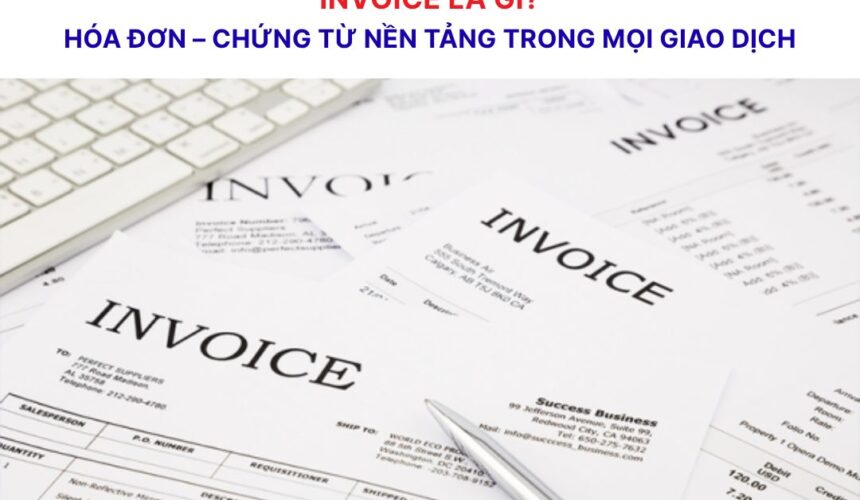
Prepare documents (invoices, packing slips, contracts, declarations…).
Submit electronic customs declaration.
Inspection and clearance.
For example, when importing a shipment of electronic equipment from Japan, you must go through customs procedures to get the goods legally cleared.
Incoterms (International Commercial Terms)
Incoterms is a set of international rules that regulate the responsibilities of sellers and buyers in international trade transactions, especially who bears the costs and who bears the risks at each stage of transportation.
Some common conditions:
FOB (Free On Board): Seller bears the costs until the goods are on board, buyer bears the remainder.
CIF (Cost, Insurance and Freight): Seller bears the cost of transportation and insurance to the port of destination.
EXW (Ex Works): Buyer bears all costs from seller's warehouse.
For example: A contract to buy rice from Vietnam to the Philippines under CIF terms means that the seller takes care of the shipping and insurance to the Philippine port.
A container is a standardized container used to transport goods, usually made of steel, measuring 20 feet or 40 feet. Containers make loading, unloading, storing and transporting easier and safer.
For example, a 40 feet container can hold about 25 – 27 tons of rice.
Bill of Lading (B/L – Bill of Lading)
Bill of Lading is a document issued by the shipping line, confirming receipt of goods for transport and commitment to deliver the goods to the consignee at the destination port. This is also a document of ownership of goods for international and domestic sea transport.
For example: When exporting goods to the US or from Ben Nghe Port (HCMC) to Hai Phong Port, you will receive a B/L from the shipping line after the goods are loaded onto the ship.
Tracking is the practice of tracking the location and status of goods in transit, usually through a bill of lading or container number.
For example, you enter the bill of lading number on the shipping company's website to find out which port the goods are at.
Lead Time
Lead Time is the total time from placing an order to receiving it. The shorter the lead time, the more flexible the supply chain.
For example: Lead time for importing goods from China by sea is usually 7–10 days.
Supply Chain
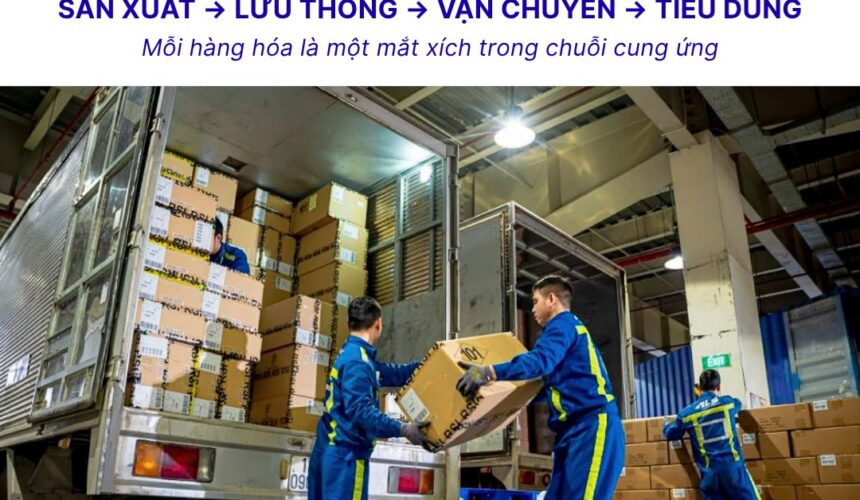
Supply chain is the entire process from input materials, production, storage, transportation, distribution until the goods reach the consumer. Logistics is a part of the supply chain.
Why is it important to know these terms?
Easy to communicate with partners, logistics staff, customs.
Understand the process to proactively handle problems.
Avoid risks due to misunderstandings about responsibilities, costs, and time.
Tips for quickly remembering logistics terms
Practical Contact: Whenever ordering or shipping, try to use the appropriate terminology.
Use images: Find illustrations for containers, bills of lading, Incoterms diagrams.
Create a vocabulary table: Write English words – Vietnamese words – examples.
Conclude
Understanding the basic terms in logistics is like mastering the “language” of this industry. Whether you are a student, an office worker, a business owner or simply a regular online shopper, knowing concepts such as transportation, warehousing, delivery, customs procedures, Incoterms… will help you work, trade and avoid unfortunate misunderstandings.
Logistics is a vast field, and this is just the beginning. If you continue to explore, you will find it interesting and full of exciting career opportunities.
Follow Vietsun's website and associated platforms to learn more knowledge in the field of logistics.
#Vietsun #JapanVietnam #Logistics #LogisticsVietNam #Sea Transport # Domestic Transportation #VanChuyenHangHoa
📞 Hotline: 028 3826 9539 or contact Vietsun customer care staff
📧 Email: admin@vietsunlogistic.com
🌍 Website: www.vietsunlogistic.com
Vietsun – Transport full trust, reach out values